What do I do with my loved one's cremated remains?
After cremation, families often find themselves holding an urn — or a simple container — and wondering what comes next. There is no single right answer, and there is no deadline for deciding. If you are not sure what to do right now, that is completely understandable. Many families keep the remains at home for months or even years while they figure out what feels right.
This article walks through the most common options so you can think them over at your own pace, without pressure.
First: you are not required to decide quickly
Cremated remains — sometimes called ashes, or cremains — are stable and can be stored safely at room temperature for an indefinite period. There is no medical or legal reason to rush a final decision. Give yourself the time you need.
Common options for cremated remains
Keep them at home
Many families choose to keep a loved one's remains in an urn displayed in a meaningful place at home. This can feel comforting, especially in the early months of grief. Urns range from simple containers to handcrafted pieces in wood, ceramic, metal, or stone. If you received remains in a temporary container from the cremation provider, you can transfer them to a permanent urn whenever you are ready — or not at all.
Burial in a cemetery
Cremated remains can be buried in a cemetery plot, just as a body would be. Many cemeteries offer smaller plots specifically for cremated remains, sometimes called cremation gardens or urn gardens , which tend to cost less than a traditional burial plot. Burial gives families a defined place to visit and gather. If this option interests you, speaking directly with a local cemetery is the best way to learn about their specific spaces and processes.
Placement in a columbarium niche
A columbarium is a structure — often found at a cemetery or a place of worship — that holds urns in individual compartments called niches. Niches are typically sealed with a small plaque bearing the person's name and dates. This option provides a permanent, protected resting place and a location for family members to visit.
Scattering
Scattering remains in a meaningful location is one of the most personal choices a family can make. Common scattering locations include:
- Private land owned by the family
- The ocean or other bodies of water
- A forest, mountain, or other natural setting
- A place the person loved during their lifetime
Rules about where scattering is permitted vary by location. Before scattering on public land or water, it is worth checking with the relevant local authority or a trusted advisor to understand any applicable guidelines in your area.
Dividing the remains among family members
Some families choose to divide remains so that more than one person can keep a portion. Small, dedicated containers called keepsake urns or sharing urns are made for this purpose. This can be a meaningful way for family members who live in different places to each feel a personal connection.
Memorial jewelry and keepsakes
A small portion of cremated remains can be incorporated into jewelry — pendants, rings, or bracelets — or other keepsakes such as glass art pieces. These items allow a person to carry a physical reminder of their loved one with them. Many artisans and specialty companies offer this service.
Other meaningful options
Some families explore less traditional choices, such as having remains pressed into a memorial diamond, incorporated into a reef structure placed in the ocean, or mixed into biodegradable materials for a memorial tree or garden. These options vary widely in cost and availability, so researching each one carefully is worthwhile before committing.
It is fine to combine options
You do not have to choose just one path. Some families scatter a portion of the remains, keep a small amount in a keepsake, and place the rest in a columbarium. There is no rule that says the remains must all go to the same place.
If you are still not sure
Talking with a grief counselor, a trusted religious or community leader, or a funeral professional can help you sort through your thoughts without pressure. You might also find it helpful to ask other family members what feels meaningful to them — these conversations, though sometimes difficult, often bring families closer together.
Whatever you decide, the most important thing is that the choice reflects what is meaningful to you and to the people who loved them. There is no wrong answer.
At Vista Funerals & Cremations, we believe families deserve straightforward information so they can make decisions that feel right for them — on their own timeline, without pressure. If you have questions about cremation or the steps that follow, we are glad to help you think them through.
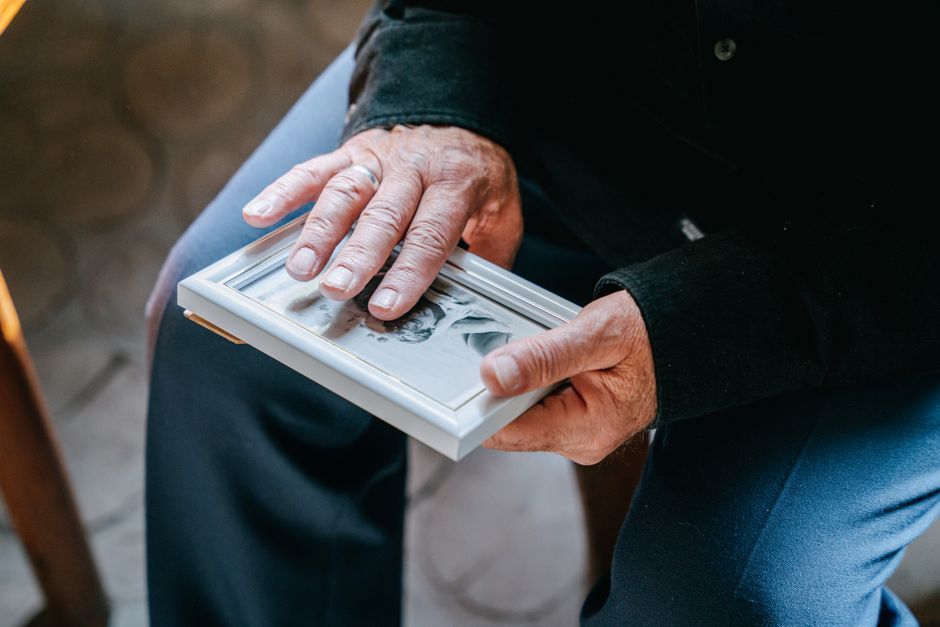
Photo by cottonbro studio on Pexels.